December 3, 2025
Swedish Christmas decorations have this incredible way of blending natural materials, the warm glow of candlelight, and a charm that feels genuinely handcrafted. It’s all these things working together that create an atmosphere of 'mys'—that treasured Swedish idea of pure, deep-down cosiness and contentment.
Imagine stepping into the warm, inviting world of a Swedish Christmas. It’s a place where every decoration tells a story of family history, nature, and the simple beauty of light. Forget the flashy, over-the-top displays; the Swedish way is all about simplicity and tradition.
It’s a style that feels both timeless and deeply personal, turning your home into a true sanctuary against the dark winter nights. The whole point isn’t just to decorate a room, but to cultivate a real feeling of peace and togetherness.
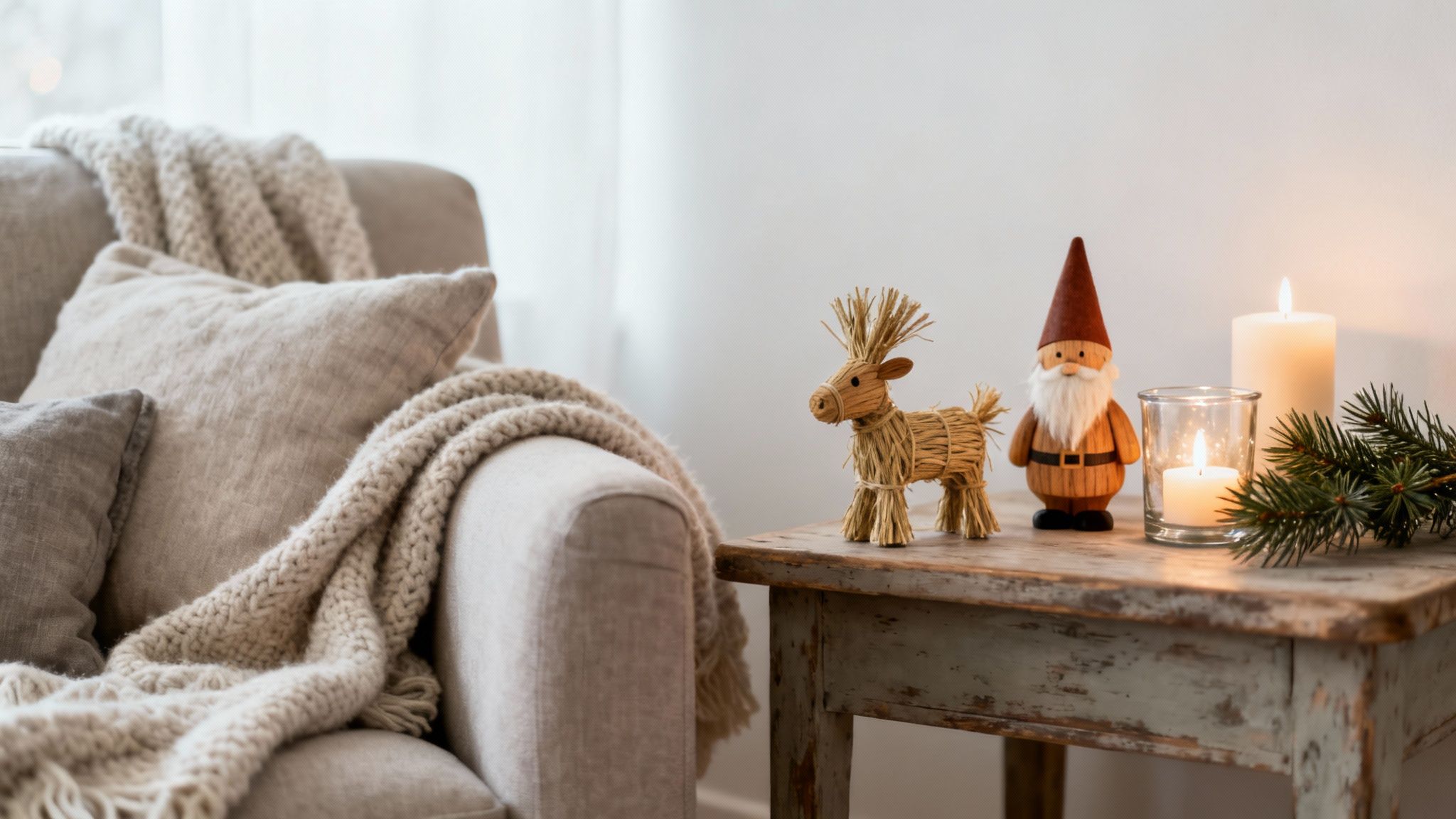
This entire aesthetic is built on a few key elements that come together to create that signature Scandinavian warmth. These decorations are so much more than just objects; they're symbols of cultural practices that have been around for ages. Many of these are central to the country's identity, and you can dive deeper into these beloved cultural symbols in our guide to typical Swedish things.
That feeling of mys doesn't happen by accident. It's achieved through a careful mix of textures, lights, and symbolic figures. Each piece adds to a layered, yet wonderfully uncluttered, festive space.
At its heart, a Swedish Christmas is an exercise in creating comfort. It’s about slowing down, gathering with loved ones, and finding joy in simple, beautiful traditions that have been passed down through generations.
A huge part of the charm comes from the emphasis on things made by hand. Straw ornaments, for instance, have a long history rooted in both practicality and symbolism.
Dating back to the 19th century, families would craft their own decorations from golden straw and red string, making shapes like angels and goats. This focus on handmade goods means that each decoration carries a unique story, making the whole holiday atmosphere that much more meaningful.
Beyond the general vibe of cosiness, the real heart of Swedish Christmas decorating lies in a cast of iconic characters, and each one comes with a rich story. These aren't just ornaments; they're storytellers that connect today’s celebrations to ancient folklore, old farming cycles, and a deep-seated sense of national identity. Knowing where they come from adds a wonderful layer of meaning to your holiday styling.
Each symbol brings its own unique narrative to the table, turning a simple display into a tableau of Swedish heritage. From a mischievous goat to a protective little gnome, these figures are absolutely central to the holiday spirit.
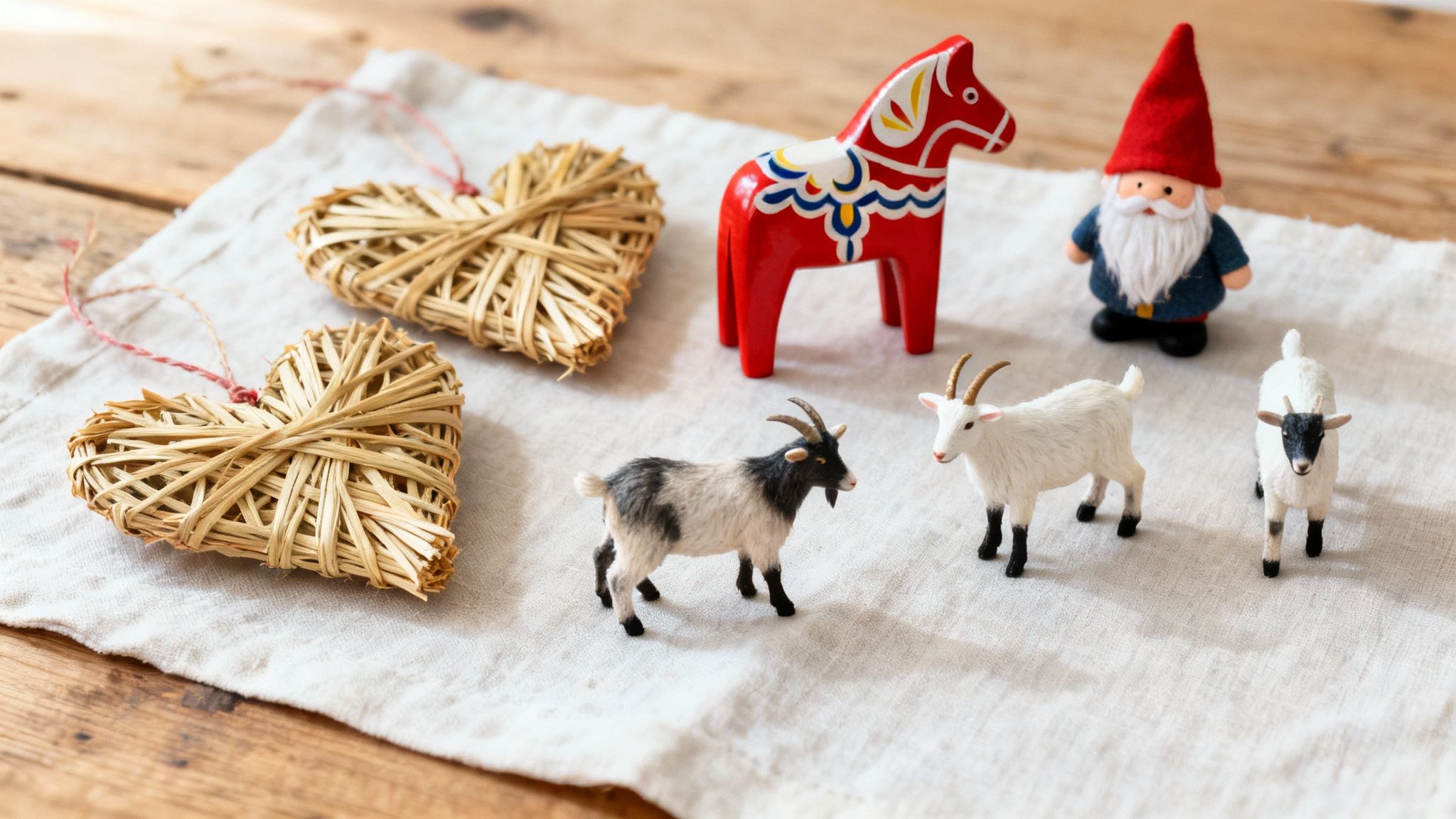
One of the most enduring and fascinating figures is the Julbock, or Yule Goat. Its story stretches way back to pre-Christian pagan festivals, where it was linked to the Norse god Thor, whose chariot was famously pulled by two goats. Over the centuries, the Julbock's role has changed dramatically.
In some folklore, it was an invisible spirit that would pop up to make sure Yule preparations were being done correctly. Later on, it became a bit of a menace, with people dressing up as goats to play pranks and demand gifts. By the 19th century, this rowdy trickster had mellowed out into the one who brought the gifts, a sort of predecessor to the modern Santa Claus in Sweden.
Today, the Julbock is a beloved guardian of Christmas. You’ll see it everywhere, crafted from straw in all sizes—from tiny ornaments hanging on a tree to the enormous Gävle Goat, a famous public installation built every year.
Watching over every Swedish homestead is the Tomte (also known as a Nisse), a small, gnome-like creature with a long white beard and a pointed red cap. According to folklore, this shy but hardworking little guardian protects the family and their animals from misfortune, especially during the long, dark winter nights.
Traditionally, the Tomte is a farm’s unseen helper. He demands only respect and a bowl of porridge with a pat of butter on Christmas Eve as a thank you. A happy Tomte ensures a prosperous year, but a neglected one could turn into a real troublemaker.
In modern homes, you'll find Tomte figures perched on mantels, windowsills, and under the Christmas tree, symbolising protection and good fortune for the household.
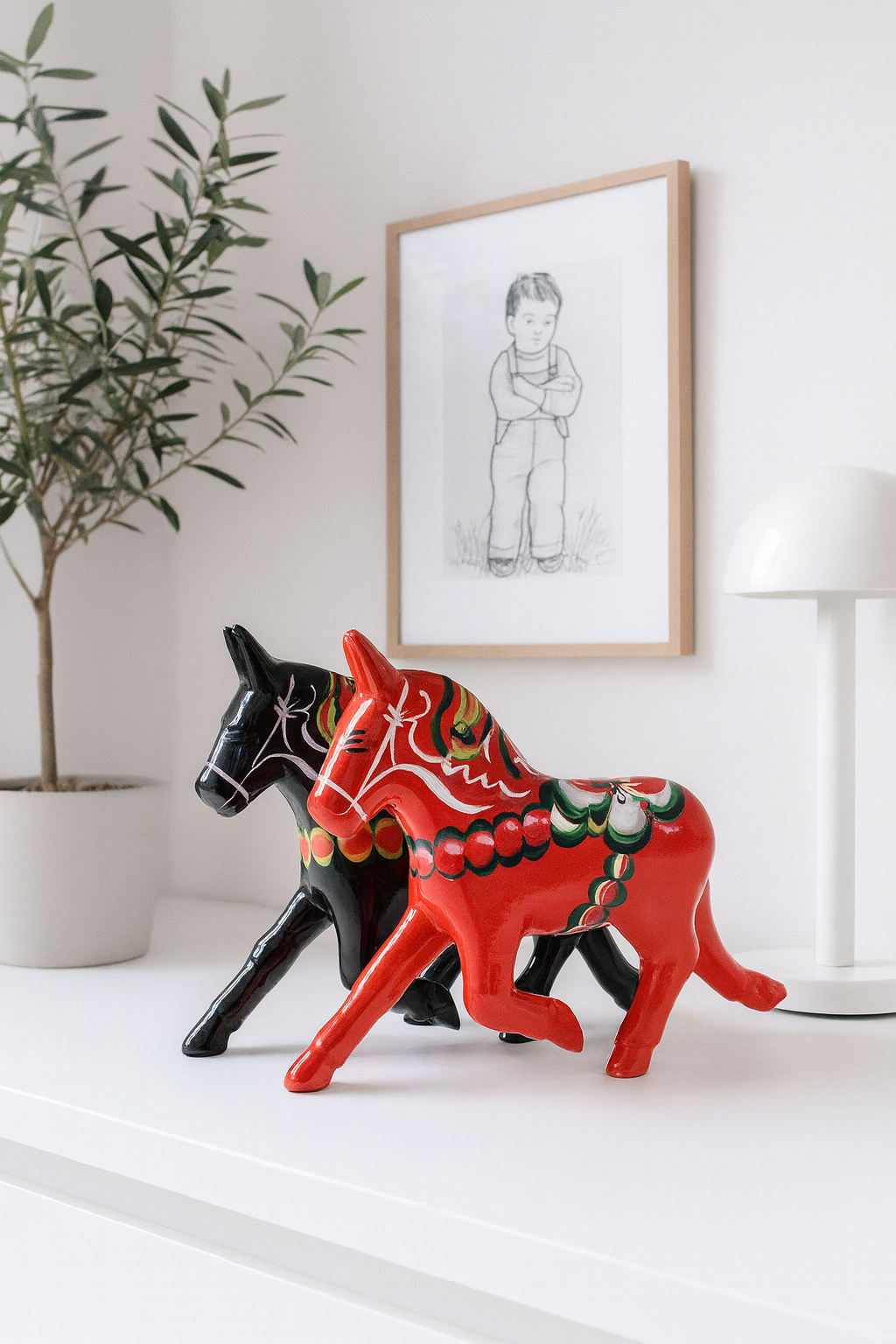
While not strictly a Christmas item, the Dala Horse (Dalahäst) holds a special place in holiday decorating. This brightly painted wooden horse got its start in the Dalarna region as a simple toy, carved by woodsmen during the long winters. It has since become one of Sweden's most recognisable national symbols.
During Christmas, its cheerful colours and handcrafted charm fit perfectly with the festive theme of tradition and artistry. The Dala Horse represents strength, faithfulness, and wisdom, making it a meaningful addition to any holiday display. And while the horse is the most famous, you can learn more about the iconic animals of Dalarna to see how other figures play a role in this beautiful folk art tradition.
When you’re in the middle of a Swedish winter, with its deep, persistent darkness, light becomes more than just a decoration. It’s a feeling. Light is a powerful symbol of hope, warmth, and the quiet excitement building towards Christmas. Two traditions, in particular, are at the very heart of creating this glowing atmosphere: the Advent star and the Advent candlestick.
These illuminated pieces are the visual heartbeat of a Swedish Christmas. They mark the patient, beautiful countdown to the main event, turning ordinary windows into stunning displays and living rooms into peaceful sanctuaries.

The Julstjärna, or Advent star, is easily one of the most striking Swedish Christmas decorations you’ll see. These are large, often ornate stars made from paper or thin wood, hung right in the window from the first Sunday of Advent.
When lit from within, they cast an intricate, warm glow that shines out onto the street. It’s a beautiful thing to see, creating a real sense of shared community celebration. It’s as if every home is doing its part to collectively push back the winter darkness.
This tradition goes all the way back to the 1890s and has become an almost universal practice in modern Sweden. In fact, these glowing stars and their companion candlesticks are so essential that a 2022 survey found 92% of Swedish households use one or the other during the holiday season. You can learn more about the deep cultural significance of Christmas in Sweden and how these traditions fit in.
The Julstjärna is so much more than a simple light. It symbolises the Star of Bethlehem. Its steady glow in the window serves as a constant, gentle reminder of the season's spiritual roots and the promise of light returning after the longest nights of the year.
Right alongside the hanging star, you’ll find the Adventsljusstake—the Advent candlestick. It’s typically a V-shaped or linear candelabra that holds four candles, each one representing one of the four Sundays of Advent.
The ritual itself is simple but incredibly meaningful. On the first Sunday of Advent, the first candle is lit. On the second Sunday, you light the first and second candles, and so on. The light literally grows brighter each week as Christmas gets closer.
This weekly ceremony creates a wonderful sense of anticipation and offers a moment for quiet reflection. It's common for families to gather around to light the candle, maybe share a fika (a coffee and pastry break), and just enjoy a moment of togetherness. This gradual build-up of light fills the home with a growing sense of warmth and excitement.
Together, the Julstjärna and the Adventsljusstake aren't just decorations; they're fundamental parts of the Swedish Christmas story, creating a powerful and beautiful narrative of light triumphing over darkness.
The Julgran, or Christmas tree, is the undeniable centrepiece of a Swedish holiday home. It's the anchor that pulls all the other festive decorations together. But unlike the densely packed, glittering trees you might see elsewhere, a traditional Swedish tree is a celebration of simplicity, natural beauty, and meaningful, handcrafted ornaments. It’s less about overwhelming sparkle and much more about personal history and understated elegance.
To get that authentic look, you really have to embrace a "less is more" philosophy. The tree itself is often a little sparser, which gives each individual decoration room to breathe and tell its own story. This approach creates a display that feels both intentionally curated and deeply personal—a reflection of calm and tradition.
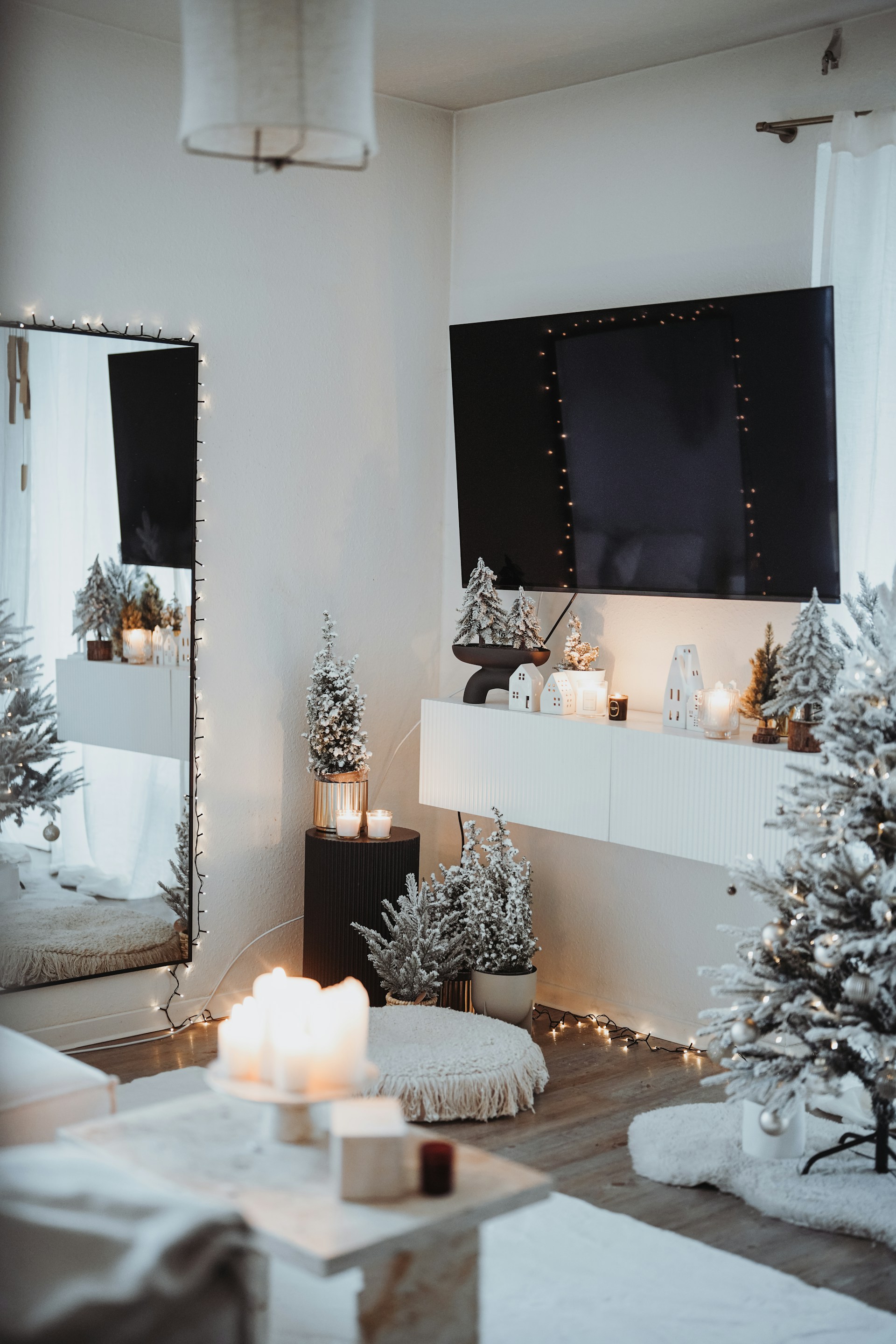
To dress your Julgran in true Swedish style, you’ll want to focus on a charming mix of natural, edible, and patriotic decorations. These aren't just random pretty things; they’re chosen for their symbolism and rustic beauty, creating a cohesive look that has been cherished for generations.
This tradition has deep roots. The very first documented Swedish Christmas tree appeared way back in 1741, and by the late 19th century, it had become a common sight in most homes. Today, the love for a genuine tree is as strong as ever. A recent study showed that around 70% of Swedish families still decorate a real Christmas tree each year. You can learn more about the enduring popularity of this Christmas tradition in Sweden to get a feel for its history.
The ideal Swedish Christmas tree feels like a collection of memories. It’s adorned with handmade treasures, edible treats, and symbols of national pride, creating a look that is both festive and filled with heart.
Here are the key ornaments you absolutely need:
Historically, the ultimate finishing touch was lighting the tree with real candles. It’s a practice that, while beautiful, requires a lot of care. The magical, flickering glow is something modern electric lights still struggle to replicate. The candles were carefully clipped onto the branches and lit only for short, supervised periods on Christmas Eve.
For safety reasons, most families today opt for high-quality electric lights designed to mimic the look of real candles. These clever modern alternatives give you that same classic aesthetic without the obvious fire risk, letting you enjoy the enchanting glow all season long.
Finally, the tree's time in a Swedish home has a definitive end. It is traditionally taken down on St. Knut's Day, January 13th. This event is often celebrated with a party called Julgransplundring (literally, "Christmas tree plundering"), where children get to eat any remaining edible ornaments before the tree is finally carried out.
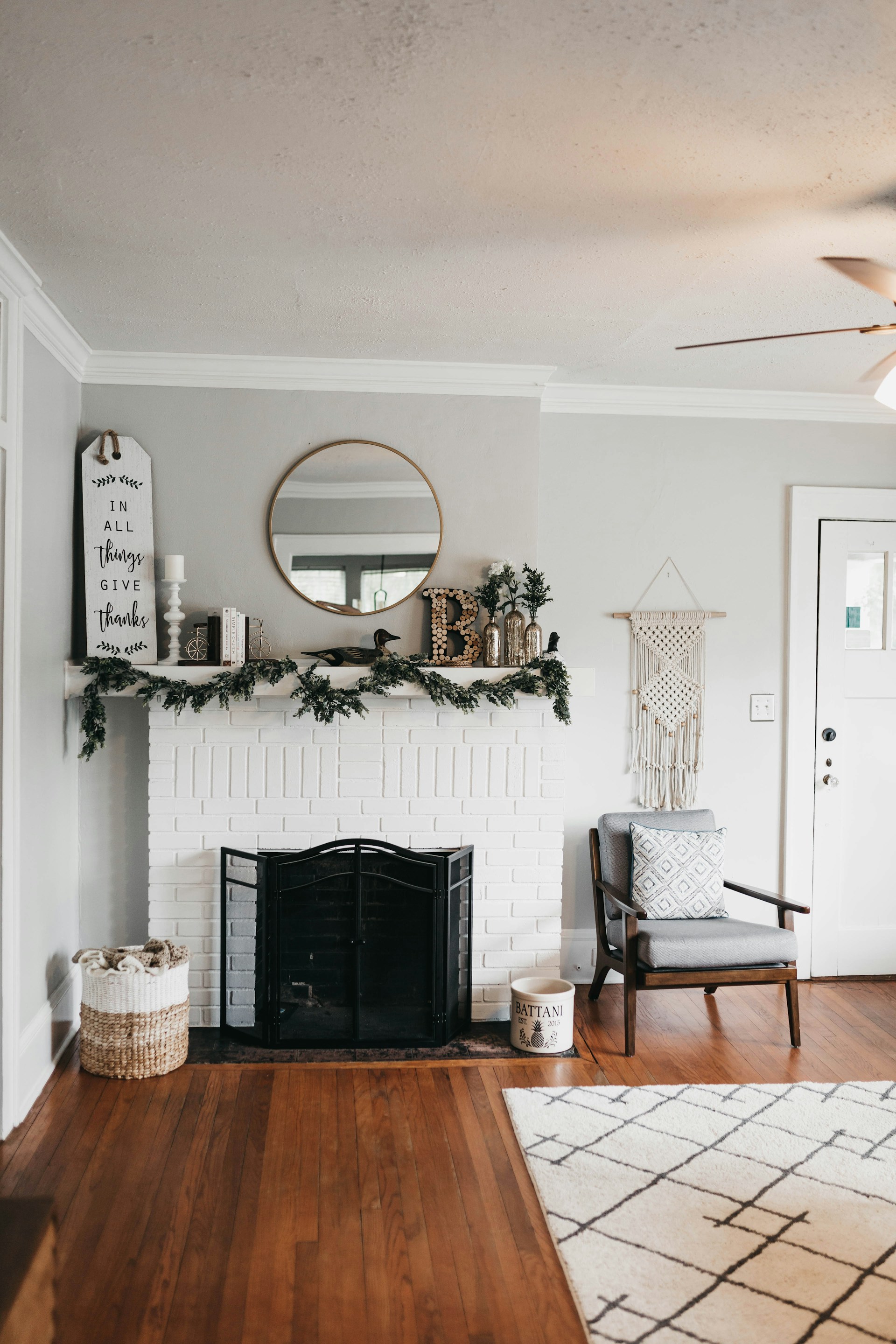
Swedish design is known the world over for its clean lines and beautiful, functional minimalism. That same philosophy carries right through to its holiday decor, which is fantastic news for those of us with modern homes. Bringing traditional Swedish Christmas pieces into your space isn’t about adding clutter. It's about making thoughtful choices that feel festive and intentional without ever overwhelming a room.
The real secret is found in the Swedish concept of 'lagom'—a word that doesn't have a direct English translation but essentially means "just the right amount." It’s all about balance and moderation. So instead of trying to put decorations everywhere, the goal is to create focused moments of holiday cheer. This approach makes each individual piece feel special and keeps the overall look cohesive and uncluttered.
To get that modern Scandinavian holiday feel, you'll want to lean into natural elements. Think pine, berries, and raw wood. These organic materials are the perfect bridge between traditional motifs and contemporary interiors, adding a much-needed layer of warmth and texture. Sometimes, a single branch of pine or a few sprigs of lingonberry can make a bigger statement than piles of glittery tinsel.
Focus on creating small, curated vignettes instead of decorating every single surface. It’s a method that truly respects that minimalist aesthetic while still celebrating the season in a big way.
Adopting the 'lagom' mindset is all about choosing fewer, more meaningful decorations. It’s a shift towards celebrating quality over quantity, which allows the handcrafted beauty of each item to truly shine in your modern home.
Certain spots in your home are just perfect canvases for showing off Swedish Christmas decorations. By focusing your efforts on these areas, you can create a powerful festive statement that feels both elegant and completely authentic.
A windowsill, for example, is the ideal place for an Advent star or candlestick. It casts a welcoming glow both inside and out. For a mantelpiece, try an asymmetrical arrangement with a sweep of greenery, a few tall candles, and a stately Julbock positioned at one end. On the dining table, a simple linen runner topped with pinecones, red berries, and a few delicate straw ornaments creates an effortlessly chic centrepiece that’s perfect for holiday gatherings.
This curated approach keeps your space feeling open, bright, and beautifully festive.
Starting or expanding your collection of Swedish Christmas decorations is a rewarding journey into a world of craftsmanship and tradition. But with so many options out there, the key to building a truly meaningful display is learning to spot the real deal—to distinguish authentic, high-quality pieces from mass-produced imitations.
Genuine artisan items have a certain feel to them, little tell-tale signs of their handcrafted origins. You’ll want to look for the slight imperfections, the subtle texture of hand-painting on a Dala horse, or the unique twist of straw in a Julbock. These small variations aren't flaws at all; they're the signature of the artist's hand. In contrast, factory-made items tend to look perfectly uniform, lacking the warmth and character that makes each handmade piece so special.
Finding authentic decorations is easier than you might think if you know where to look. Traditional Swedish Christmas markets, or Julmarknader, are absolute treasure troves of artisanal goods. Here, you can often meet the makers themselves and hear the stories behind their crafts, which makes the piece even more meaningful.
For those of us shopping from afar, specialised online stores are an excellent resource. These shops often work directly with artisans in Sweden, ensuring the quality and authenticity of their products. A great example of a store that champions local craftsmanship is Leksands Hemslöjd, which offers a fantastic selection of genuine items straight from the heart of Dalarna.
Proper care is absolutely essential if you want your decorations to last for generations. Many traditional Swedish Christmas decorations are made from delicate natural materials that need a gentle touch.
The goal is to preserve not just the object, but the memories attached to it. Proper storage and care transform simple ornaments into treasured family heirlooms that can be passed down through the years.
Follow these simple steps to protect your collection:
By sourcing your pieces thoughtfully and caring for them properly, you’re not just decorating your home—you’re creating a collection that beautifully reflects the heart of Swedish holiday traditions.
Diving into any new tradition can feel a bit like learning a new language. You pick up a word here, a custom there. To help you feel right at home with these beautiful Swedish customs, we've put together answers to a few of the questions we hear most often.
The Yule Goat, or Julbock, is one of Sweden's most ancient holiday figures, with a history that winds all the way back to pagan festivals. He wasn't always the friendly straw figure we know today; he started out as a bit of a mischievous, sometimes even scary, character. Over the centuries, though, his role has softened. Now, he's seen as a beloved guardian of Christmas, a symbol of the holiday spirit and the comforting strength of tradition.
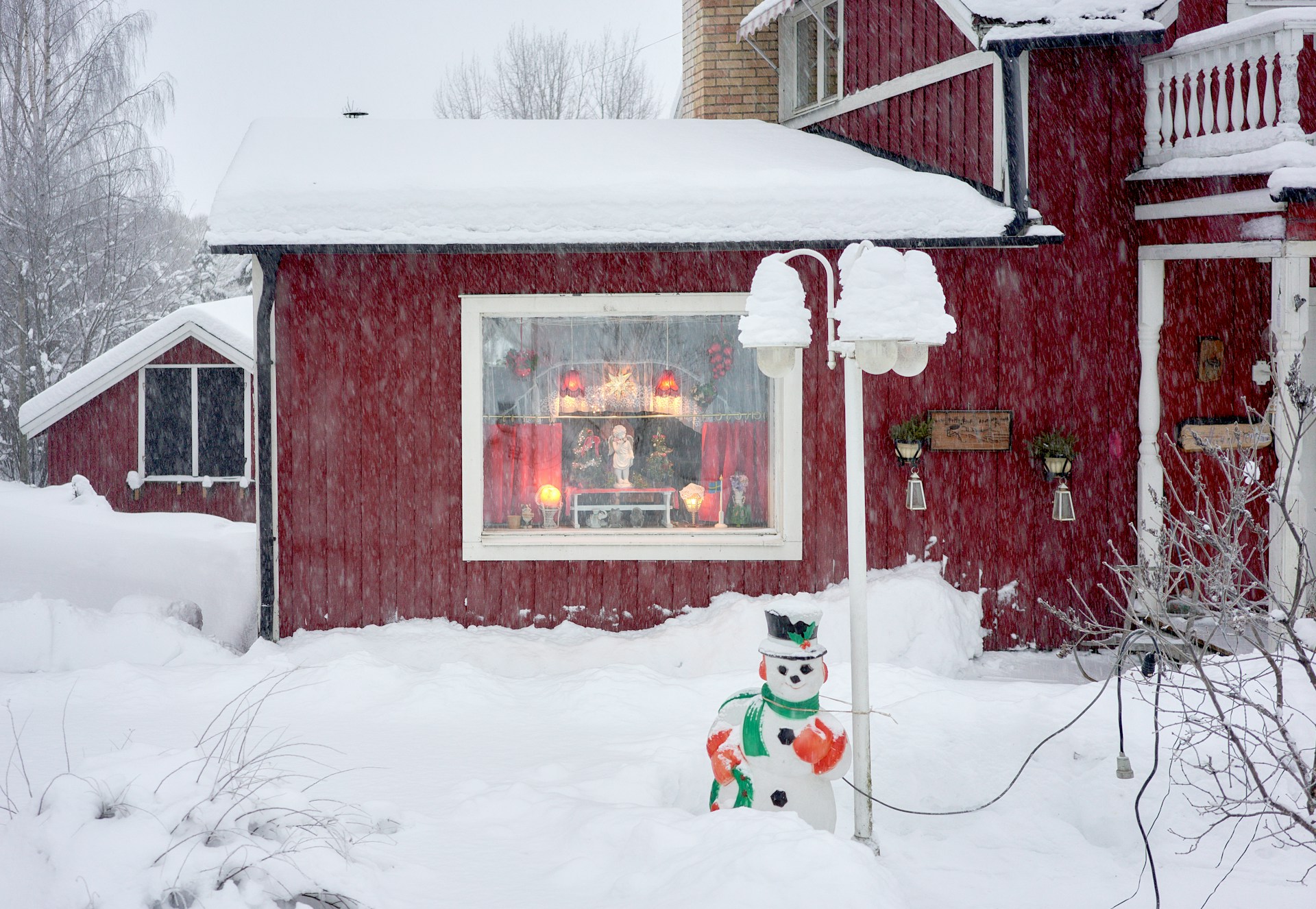
For most Swedes, the festive season officially kicks off on the First Sunday of Advent, which lands four Sundays before Christmas Day. This is the moment you'll see those iconic glowing stars and electric candlesticks appear in windows all across the country. The Christmas tree, however, is a different story—it's usually brought in and decorated just a day or two before Christmas Eve.
While Advent gets things started, the season doesn't officially wrap up until St. Knut's Day on January 13th. This is traditionally the day when decorations are taken down, often with a little party called a Julgransplundring to "plunder" the last of the sweets and treats from the tree.
There’s something truly special about making your own decorations, a feeling that taps right into the heart of Swedish handcraft traditions. If you want to try your hand at it, here are a few simple ideas to get you started:
These simple, natural touches are a wonderful way to capture the authentic, cosy spirit of a Swedish Christmas.
Ready to bring the timeless beauty of Swedish craftsmanship into your home? Explore the authentic, hand-painted Dala horses and other folk art treasures at Dalaart. Each piece is a unique story waiting to be told. Discover your heirloom today at https://dalaart.com.


.svg)


.png)


