April 28, 2026
You’ve found the gift. It might be a hand-carved Dala horse, a painted rooster, or a small companion piece with just enough character to make ordinary wrapping paper feel wrong. The moment often comes late, with ribbon on the table and tape in hand, when you realise the presentation needs to do more than cover the object. It needs to respect it.
That’s where gift christmas boxes earn their place. A good box protects, certainly, but it also sets the tone before the gift is even lifted out. With artisanal objects, the box becomes part of the story. It tells the recipient that this wasn’t picked in haste, and it wasn’t packed as an afterthought either.
In a Scandinavian folk art setting, that matters. A handmade piece carries evidence of the maker in every brushstroke and contour. The packaging should feel equally considered. Not elaborate for the sake of it. Just appropriate, balanced, and honest to the gift inside.
A collector once asked for advice on wrapping a small painted horse for Christmas. The piece was traditional in form, but the painting had unusual floral detailing, and the recipient knew enough about Swedish folk art to notice every choice. A shiny bow and thin seasonal carton would have made the gift look generic. A carefully chosen box made it feel curated.
That’s the difference people sense immediately, even if they can’t always name it. A gift christmas box isn’t only a shell around the present. It’s the first chapter of the gift, the quiet signal that the object inside has meaning beyond its price or size.
For handcrafted pieces, the box also does practical work that wrapping paper never can. It keeps painted surfaces from rubbing, supports delicate carved edges, and creates a controlled reveal when the lid is lifted. That matters more with objects that have texture, weight, and a finish worth preserving.
A handmade gift loses some of its dignity when the packaging treats it like something disposable.
There’s also an emotional reason to choose well. Folk art is rooted in memory, place, and tradition. When you place such an object in the right box, you’re not adding decoration. You’re extending the values already present in the piece. Heritage, care, and usefulness all continue outward into the presentation.
The result doesn’t need to be grand. It needs to be coherent.
A rustic painted horse in a stark glossy box can feel disconnected. A modern minimalist carving buried in overly fussy festive trim can feel equally off. The right box creates harmony between object, giver, and season. That’s why thoughtful gifting starts before the ribbon. It starts with structure, material, and proportion.
A box works much like a small building. The outer finish is the façade. The board beneath is the frame. The insert is the interior architecture that stops everything shifting at the wrong moment. If one element is weak, the whole experience feels less convincing.
The first decision is structural. For decorative wooden objects, presentation boxes generally fall into three useful families: rigid boxes, folding cartons, and mailer-style boxes. Each has a place, but they don’t perform the same way.
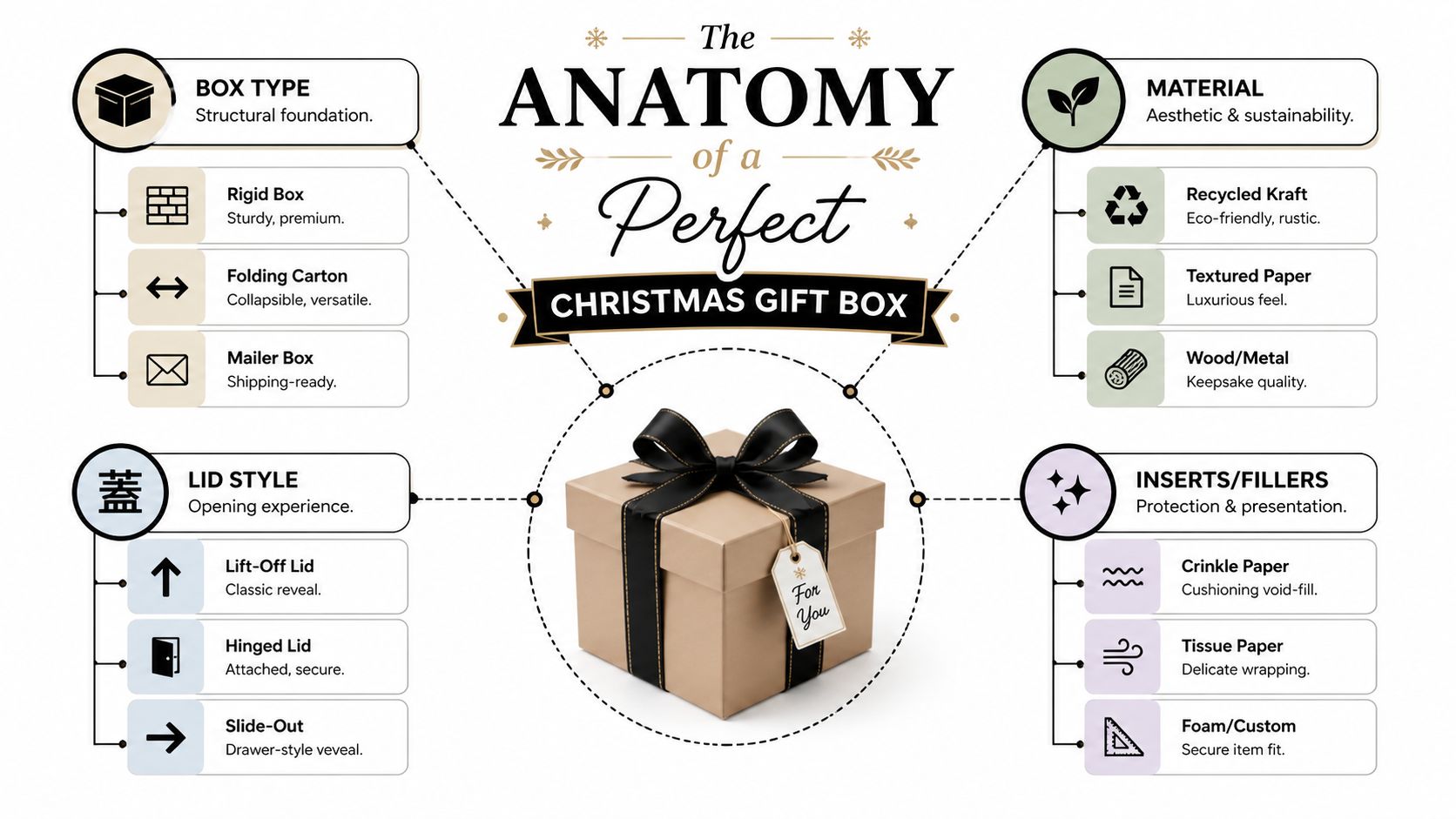
Rigid boxes are the presentation choice when the gift has weight, collectible value, or ceremonial importance. In Scandinavian-style gifting, they feel composed and permanent. The material specification often associated with premium presentation is 157 gsm coated wrap over greyboard, described as a premium standard for heritage gift packaging because it combines structural integrity with a refined finish in this packaging materials reference.
Folding cartons are lighter and easier to store before use. They suit simple seasonal gifting, smaller ornaments, or cases where you want a neat box without the visual weight of a keepsake container. Their weakness is that they can feel temporary if the board is too thin or the fit too loose.
Mailer boxes are useful when the gift needs to travel and present well enough on arrival. They work best for sturdy items or as an outer layer, not as the sole presentation box for a painted collectible.
Practical rule: The more tactile and artisanal the object feels in the hand, the more the box should resist flexing in the hand too.
Material affects more than appearance. A coated wrap gives crisp print and cleaner colour. Uncoated paper feels softer and more understated. Textured stock can add warmth, but heavy texture can compete with a detailed object rather than frame it.
Lid style changes the reveal. A lift-off lid feels ceremonial and balanced. A hinged lid feels secure and library-like. A slide-out format can be charming for small pieces, though it’s less forgiving if the fit inside isn’t exact.
When choosing fillers and inserts, think in layers:
The mistake I see most often is choosing a beautiful box with no plan for movement inside it. Presentation matters, but stability matters first. If the object shifts every time the box is tilted, the unboxing won’t feel elegant. It will feel precarious.
Choosing the box starts with the object, not the season. A miniature rooster, a mid-sized classic horse, and a larger statement piece ask for different proportions, different support, and a different visual mood. The best pairings feel natural, as though the box and the object were always meant to meet.
Small folk art animals often look better in boxes that aren’t oversized. Too much empty space makes a carefully chosen gift feel oddly anonymous. A close but not cramped fit gives the object presence.
For a miniature piece, use a box that leaves room for tissue, a stable base, and perhaps a small card, but not so much room that the gift disappears into filler. Mid-sized pieces usually benefit from a little more internal height so the lid doesn’t sit too close to painted ears or curved contours.
Larger horses and grouped sets need stronger walls and a calmer interior. If the box is too decorative, the object can lose authority. Statement pieces often look better in restrained packaging with one strong material choice rather than many embellishments.
A vintage-style item usually suits a more muted presentation. Kraft-toned board, natural fibre ribbon, or a lightly textured paper surface tends to work well. The effect is collected rather than flashy.
A cleaner, contemporary carving can take a sharper box. White, charcoal, deep forest green, or a smooth wrapped finish can all feel appropriate if the colours don’t overpower the painted details.
When you’re deciding, ask three quick questions:
There’s also value in considering the wider gift context. If you’re pairing a carved animal with other seasonal pieces, keep the box coherent with the home style it’s entering. A collector with a traditional interior may appreciate heritage cues. Someone with a pared-back home may prefer cleaner lines and quieter colour.
For ideas on pairing folk art with festive gifting themes, Dalaart’s guide to Christmas gift ideas is a useful starting point.
A final curator’s note. Don’t confuse larger with better. The right box frames the object. It shouldn’t compete with it, and it shouldn’t apologise for it either.
Sustainable packaging isn’t a side concern anymore. It shapes whether the whole gift feels coherent. If the object has been made with care, especially from recycled or responsibly chosen materials, a wasteful box breaks the spell.
That matters during Christmas, when excess packaging becomes hard to ignore. In the UK, holiday gifting creates 114,000 tonnes of plastic packaging waste over the season, according to Christmas packaging figures gathered by GWP. A beautiful gift doesn’t need to contribute more disposable material than necessary.
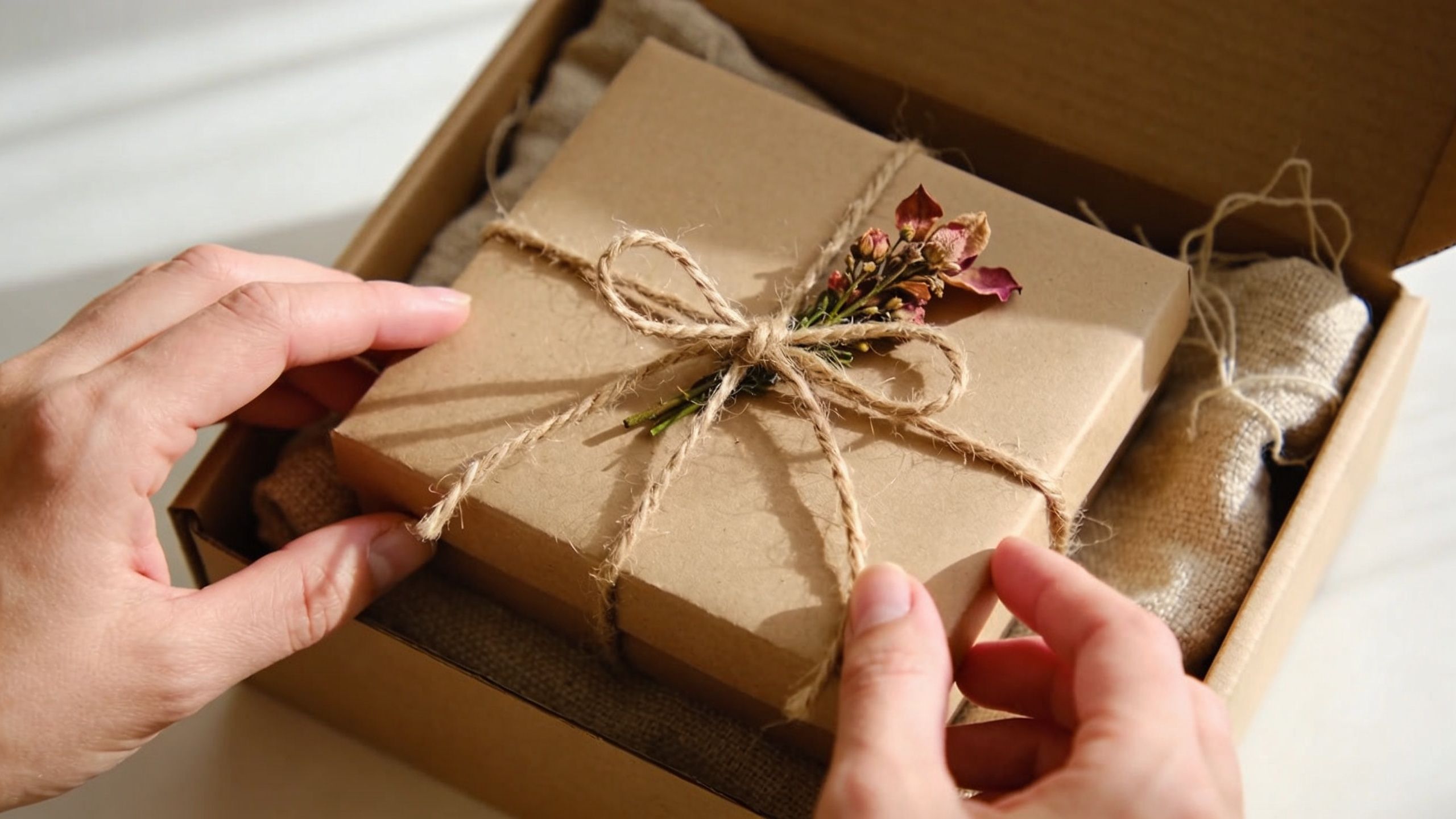
The most convincing sustainable gift christmas boxes tend to share one quality. They don’t advertise virtue with flimsy design. They’re well made, useful, and easy to keep.
Good options include:
Reusable packaging works especially well for folk art because the recipient often wants somewhere to store provenance cards, seasonal ornaments, or the object itself between displays. The box becomes part of the collection rather than part of the bin.
Some eco-minded packaging looks worthy but feels careless. Rough board with weak corners, dusty filler, or badly cut inserts can make a handcrafted gift feel under-supported. Sustainability doesn’t excuse poor finish.
Another common mistake is overfilling the box with decorative natural elements. Dried flowers, pine, twine, and kraft paper can be lovely together, but only when they serve the object. If every layer sheds fibres or snags painted details, the packaging has become performative.
Choose fewer materials, but choose them well. A restrained recycled box with clean tissue is more convincing than a cluttered box full of “eco” signals.
A balanced approach often works best. Use one strong outer material, one soft protective layer, and one decorative touch. That might be a recycled rigid box, acid-free tissue, and a sprig of dried greenery tied externally rather than loose inside.
This is also where brand values and packaging should agree. A shop such as Dalaart, which offers hand-carved Swedish folk art made with recycled wood and environmentally safe paints, naturally fits packaging choices that are low-waste, reusable, and materially honest. That alignment is what customers notice. Not because they’ve read a label, but because the whole gift feels consistent in the hand.
Once the right box has been chosen, packing becomes choreography. The recipient shouldn’t wrestle with the contents, and the object shouldn’t rattle like cargo. A good unboxing feels calm, layered, and thoughtfully intentional.
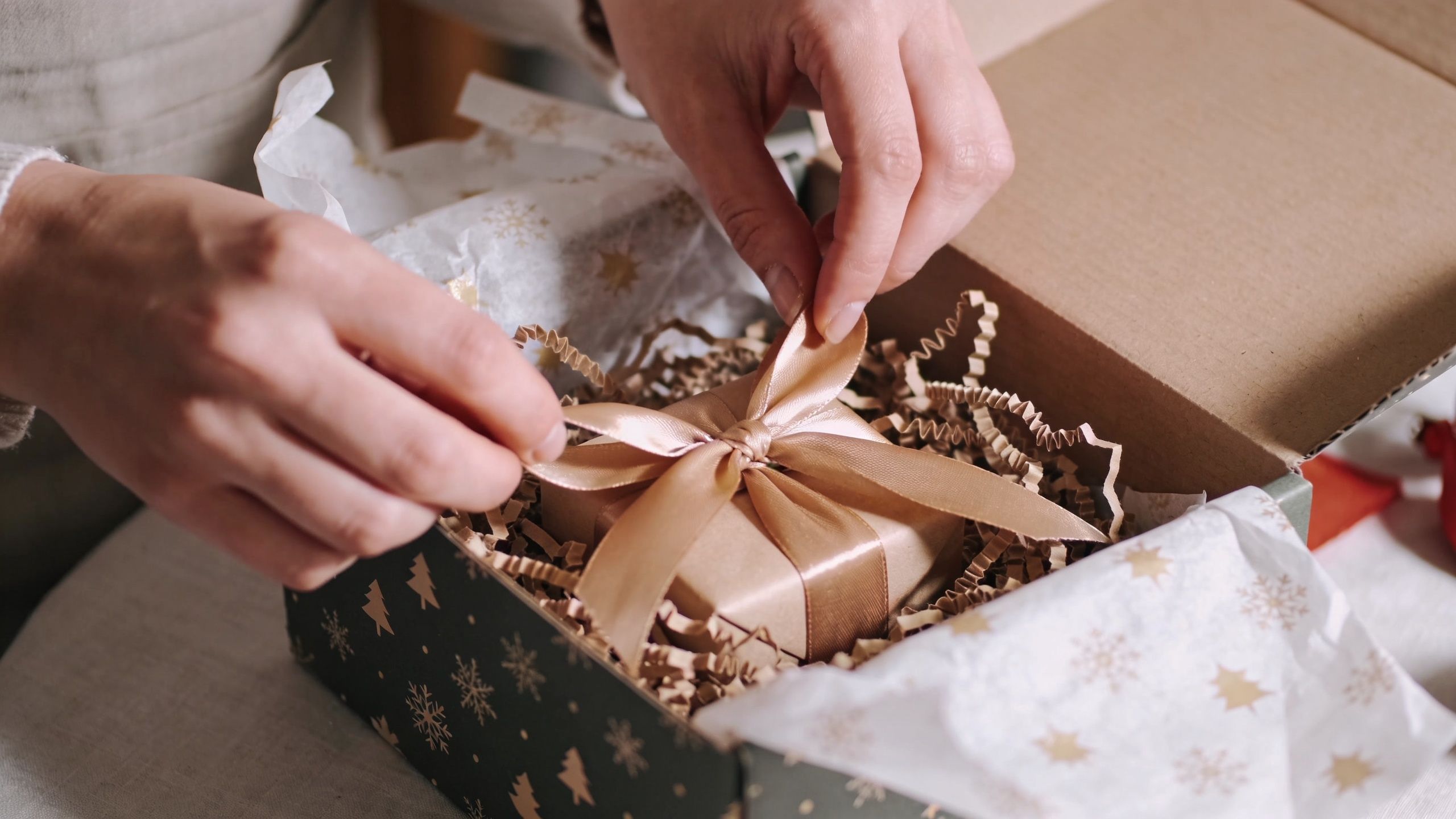
Start with the base. Place a soft, stable filler layer at the bottom of the box so the object doesn’t sit directly on hard board. For a carved wooden figure, I prefer support that cushions without swallowing the shape. Too much filler forces the piece upward and can make the lid press awkwardly.
Wrap the item lightly in tissue if the painted surface needs protection. Don’t mummify it. The tissue should unfold in one or two motions, not become a separate task.
Then position the object so it faces the recipient when the box opens. That detail sounds small, but it changes the entire first impression.
A simple sequence works well:
The most memorable boxes often include one small contextual touch. A handwritten note. A provenance card. A short message about where the piece was made or why it was chosen. These additions slow the unboxing just enough to make it feel personal.
Scent can work too, but it needs restraint. A hint of pine or cinnamon placed carefully and separately from the object can create atmosphere. Loose botanicals scattered inside the box often create mess instead of charm.
The gift should appear composed the moment the lid lifts. If something has to be rearranged before it looks good, it wasn’t packed well enough.
This short demonstration gives a useful visual sense of neat festive finishing and ribbon handling:
Before sealing, open and close the box once as though you’re receiving it. Look for anything that shifts, collapses, snags, or hides the object.
Run through this quick check:
Packing well is less about decoration than rhythm. Every layer should have a reason, and every movement should feel easy.
Personalisation works because it closes the gap between a beautiful object and a specific person. That’s especially true at Christmas, when many gifts are well chosen but visually interchangeable. A small handmade adjustment can change that completely.
It also reflects a broader gifting preference. 50% of Gen Z and Millennial consumers prioritise personalisation, according to gift market statistics collected by The Goodness Project. A custom box doesn’t need to be elaborate to feel meaningful. It just needs to show that someone thought about this particular recipient.
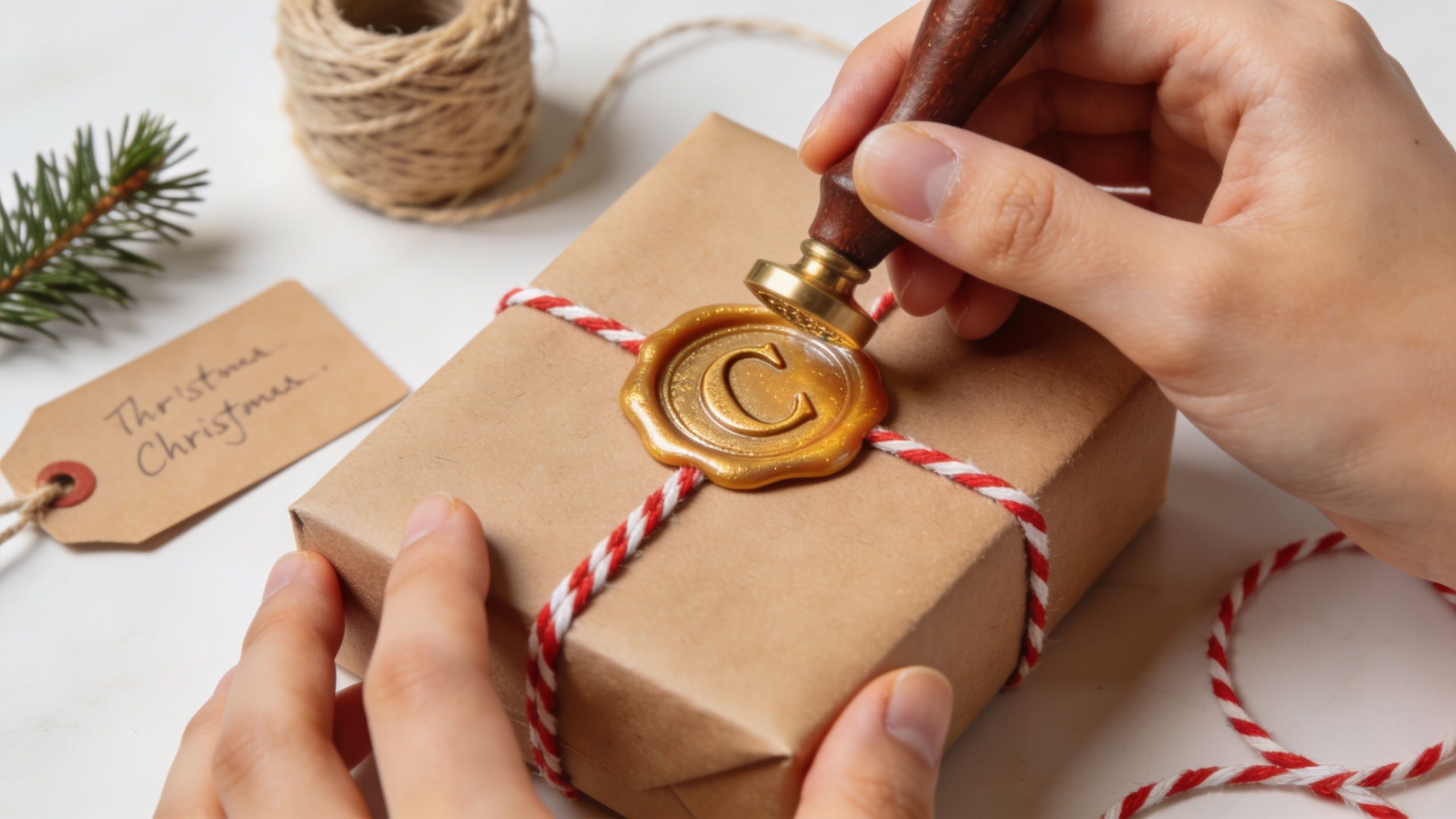
One of the easiest methods is to begin with a plain, sturdy box and add only one crafted detail. A wax seal, a rubber stamp with a folk motif, or a handwritten tag on textured card can be enough.
Natural ties also do a lot of work. Linen ribbon, cotton tape, or twine can soften the box and make it feel less manufactured. If the recipient loves Scandinavian interiors, these details often suit the gift better than glossy pre-made bows.
Try one of these approaches:
The strongest personalisation borrows something from the object itself. If the gift carries traditional painted flourishes, echo those colours in the ribbon or on the tag. If the piece is unpainted or more rustic, keep the box simpler and let the natural materials lead.
For people who enjoy making decorations by hand, there’s inspiration in Swedish festive traditions and folk motifs gathered in Dalaart’s post on Swedish Christmas decorations.
A practical warning is worth adding here. Personalisation should never make the box harder to open, store, or reuse. Thick glued embellishments, glitter, and bulky ornaments may look lively on a table, but they often age badly and shed onto the object. Handcrafted doesn’t have to mean overloaded. Usually, one thoughtful mark is enough.
Shipping a presentation box is different from gifting in person. The decorative box isn’t the shipping box. It’s the inner layer. That distinction saves a lot of disappointment.
For carved and painted wooden objects, the safest method is the classic box-in-a-box approach. Pack the gift neatly in its presentation box first, then place that box inside a sturdier outer carton with enough cushioning to prevent movement in transit.
For posted gifts, corrugated construction with a fluted inner layer is particularly well suited to protecting hand-painted wooden sculptures during delivery, as outlined in this guide to gift box shipping materials. That fluted structure helps absorb impact and reduces the force passed on to delicate carved details.
Three checks matter most before dispatch:
If you’re posting from Sweden or sending Scandinavian gifts abroad, Dalaart’s article on Etsy shipping in Sweden offers useful context on practical shipping expectations and process.
For higher-value vintage or limited pieces, tracked service is worth choosing. Not because it makes a parcel indestructible, but because it gives both sender and recipient a clearer chain of custody during the busiest posting period of the year.
The best gift christmas boxes don’t disappear once the ribbon is untied. They stay useful. They hold notes, ornaments, provenance cards, and sometimes the object itself when the season changes. That afterlife is part of what makes a box worth choosing carefully.
A well-matched box protects the gift, supports the unboxing, reflects the style of the piece, and avoids waste where possible. It also does something less obvious. It tells the recipient that every part of the gift was considered, not just the object at the centre.
That’s especially fitting for Scandinavian folk art. These are objects made to be kept, remembered, and brought out again. Their packaging should follow the same logic. Not disposable. Not distracting. Made with care, and ready to remain part of the story.
If you’re choosing a Swedish folk art gift and want the presentation to feel as considered as the object itself, explore Dalaart for authentic hand-carved and hand-painted Dala horses and companion animals made in Sweden. The collection includes classic, vintage, exclusive, and DIY pieces, which makes it easier to match the gift, the box, and the recipient with real intention.


.svg)


.png)


