April 18, 2026
You may be seeing them in a toy shop window, in a social post, tucked under a child’s arm at the airport, or listed with surprising seriousness in collector groups online. A round, soft Hello Kitty plush with the particular puffed shape of a Squishmallow can look charming, slightly whimsical, and a bit puzzling all at once.
That reaction makes sense. For anyone used to thinking about collecting in terms of provenance, handwork, age, or regional tradition, a modern plush craze can seem like a different language. Yet the instinct behind it is familiar. People still gather objects that offer comfort, identity, beauty, and a sense of belonging.
A common scene goes like this. Someone spots a hello kitty squishmallow while shopping for a gift, assumes it’s just another licensed toy, then notices the shelf is half empty. Later, they see collectors discussing bows, seasonal versions, exclusive releases, and tags with the kind of focus usually reserved for ceramics, posters, or folk carvings.
That’s when curiosity changes shape. It stops being, “Why is this plush popular?” and becomes, “What am I missing?”
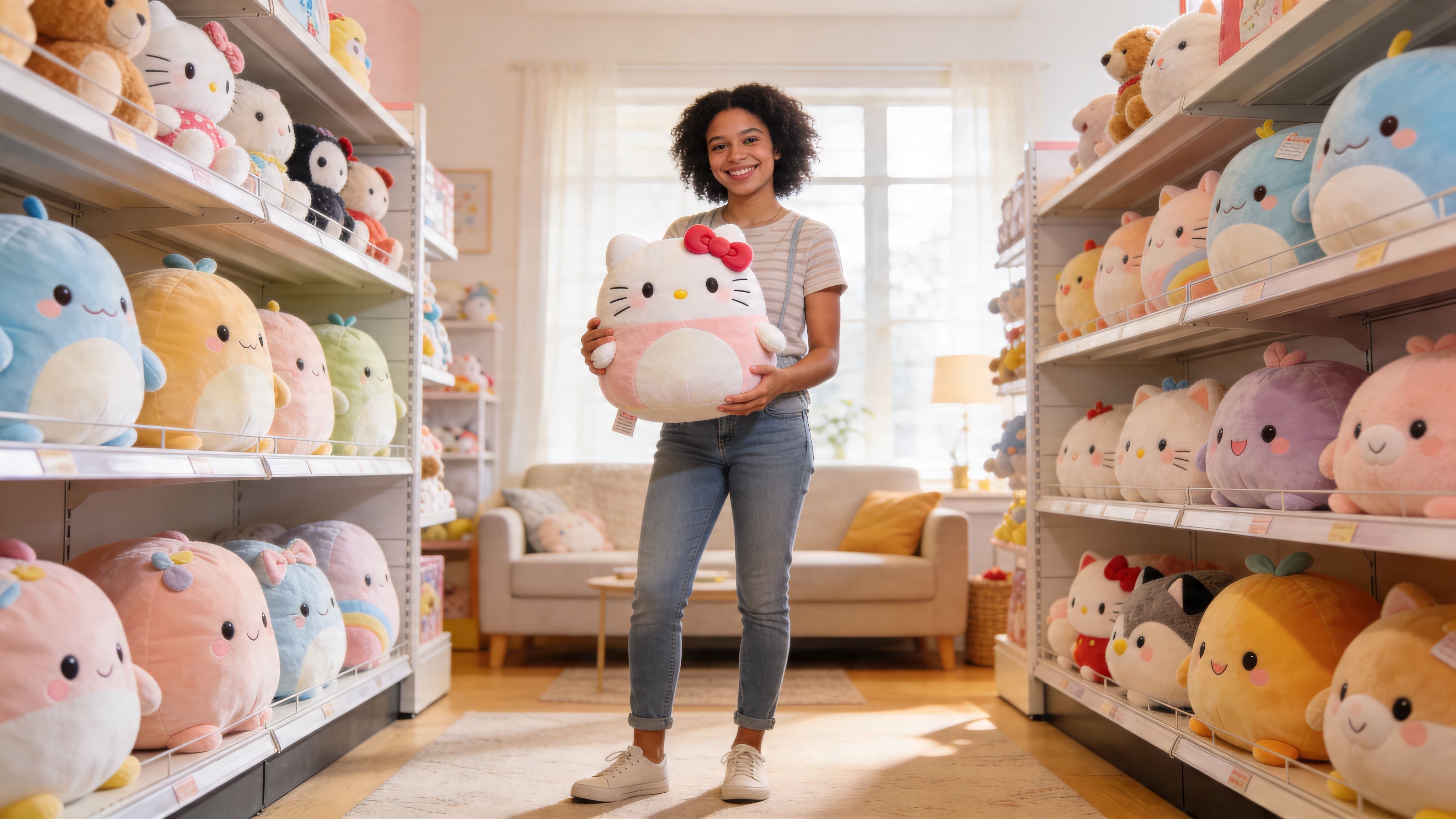
Collectors often recognise this pattern even when the object is unfamiliar. A person who cherishes painted wooden figures, vintage textiles, or old tin toys already understands the thrill of variation and the satisfaction of finding a piece that feels just right. Soft toys express that instinct in a more contemporary, mass-market form. If you enjoy learning how different kinds of plush fit into a wider culture of keepsakes, this look at stuffed animal toys offers a useful parallel.
A Hello Kitty Squishmallow catches attention for simple reasons first. It’s soft-looking. It has a familiar face. It turns a globally recognised character into a rounded, cushion-like form that feels friendly rather than formal.
Then the collector’s eye notices more:
Collecting rarely begins with logic alone. It begins when an object feels companionable.
For some readers, the appeal may still seem a little improbable. That’s all right. Many beloved collectables once looked trivial to outsiders. Paper valentines, souvenir spoons, porcelain dogs, enamel pins, and festival posters have all inspired dedicated followings. The hello kitty squishmallow belongs to that same long human habit of assigning meaning to objects that carry memory and delight.
A hello kitty squishmallow makes sense once you realise it joins two powerful collector worlds. One is the long-established visual identity of Hello Kitty. The other is the tactile appeal and modern collectible format of Squishmallows.
Hello Kitty isn’t just a cartoon face on merchandise. She functions as a visual symbol of sweetness, nostalgia, and stylised cuteness that reaches across generations. Even people who never considered themselves collectors often have some memory of the character from stationery, school accessories, clothing, or gifts.
That matters because collectables thrive when they carry a shared language. Hello Kitty already had one. Her bow, whiskers, simplified face, and calm expression are immediately legible. A collector doesn’t need much explanation to recognise her.
Squishmallows, by contrast, are newer as a collectible category, but they built their identity quickly through texture, shape, and character design. They aren’t ordinary plush in silhouette. They’re rounded, pillow-like, and made to be squeezed as much as displayed.
Their popularity isn’t a small niche story. The Squishmallows brand sold more than 100 million units worldwide by early 2022, according to Forbes on Jazwares and Squishmallows’ growth. That scale helps explain why collaborations attract so much attention. When a highly recognisable character enters a format that people already collect enthusiastically, the audience expands fast.
Collector’s lens: a successful collaboration doesn’t combine two names only. It combines two existing emotional attachments.
The collaboration succeeds because neither side overwhelms the other. Hello Kitty remains recognisable. Squishmallows remain tactile and stylised. The result feels both familiar and newly translated, much like a classic folk motif painted onto a fresh form.
Three elements make that fusion especially effective:
A simple design adapts beautifully
Hello Kitty’s face is already spare and iconic. It fits the rounded Squishmallow body without looking forced.
The object is both displayable and usable
Some collectables sit behind glass. Others invite touch. A hello kitty squishmallow does both, which broadens its appeal.
It joins nostalgia to current trend culture
Older fans may respond to Hello Kitty. Younger buyers may respond first to Squishmallows. Many meet in the middle.
For traditional collectors, this is the key point. The object may be mass-produced, but the desire around it isn’t shallow. It’s built from recognition, softness, sociability, and the pleasure of owning a version of something beloved.
When collectors feel urgency, imitation follows. That’s true in pottery, prints, and plush alike. If you’re buying a hello kitty squishmallow for display, gifting, or collecting, authenticity matters because a counterfeit can disappoint in feel, construction, and long-term collectibility.
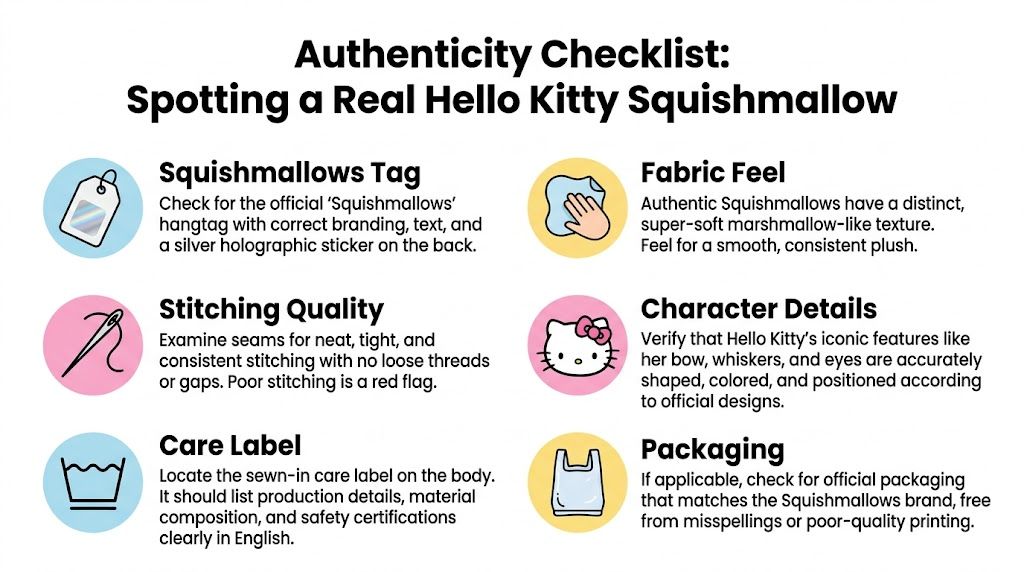
A useful way to think about it is this. Don’t ask only, “Does it look roughly right?” Ask, “Does every part agree with every other part?” Real collectables tend to be internally consistent. Counterfeits often get one feature right and another wrong.
The tags are often the first checkpoint. Genuine Squishmallows commonly include a branded hangtag and sewn-in fabric labels. Those labels should look deliberate, not improvised.
Look for these signs:
If a seller hides the tags in photos, that’s worth noticing. In many collectible categories, original paper tags and labels help support confidence in the piece. Readers who enjoy examining printed details in other collectible formats may recognise the same instinct in guides to Keith Haring posters and authenticity clues.
Authentic Squishmallows are known for a very specific sensation. The fabric should feel smooth, plush, and even. The filling should compress softly and recover without feeling lumpy or brittle.
A fake often gives itself away in one of two ways. It may feel too stiff on the outside, as though the plush surface is cheap velour rather than soft pile. Or it may feel uneven inside, with clumped filling that creates hard spots or awkward corners.
A convincing fake can copy a face. It often fails to copy the feel.
When buying in person, hold the plush for a moment instead of making a quick visual judgement. When buying online, ask the seller for close photos of the fabric in good light.
Hello Kitty’s design is simple, which means mistakes stand out quickly. A crooked bow, uneven whiskers, poorly spaced eyes, or rough embroidery can make the whole piece feel off.
Use this short checklist:
A counterfeit often misses proportion. The face may look almost correct but somehow less calm, less crisp, less recognisably Hello Kitty.
If the plush comes with packaging, inspect that too. Misspellings, odd logos, muddy printing, or generic wrapping can all signal trouble. On resale platforms, the listing itself can act like packaging. Poor photos, vague wording, and evasive answers are part of the authenticity picture.
One strong habit helps more than any single trick. Compare several confirmed genuine examples before you buy. Once your eye learns the normal range of tags, stitching, and shape, irregularities become easier to spot.
Authenticity answers one question. Rarity answers another. A real hello kitty squishmallow can still be common, while another version may be harder to find because of where it was sold, how long it was available, or what design details set it apart.
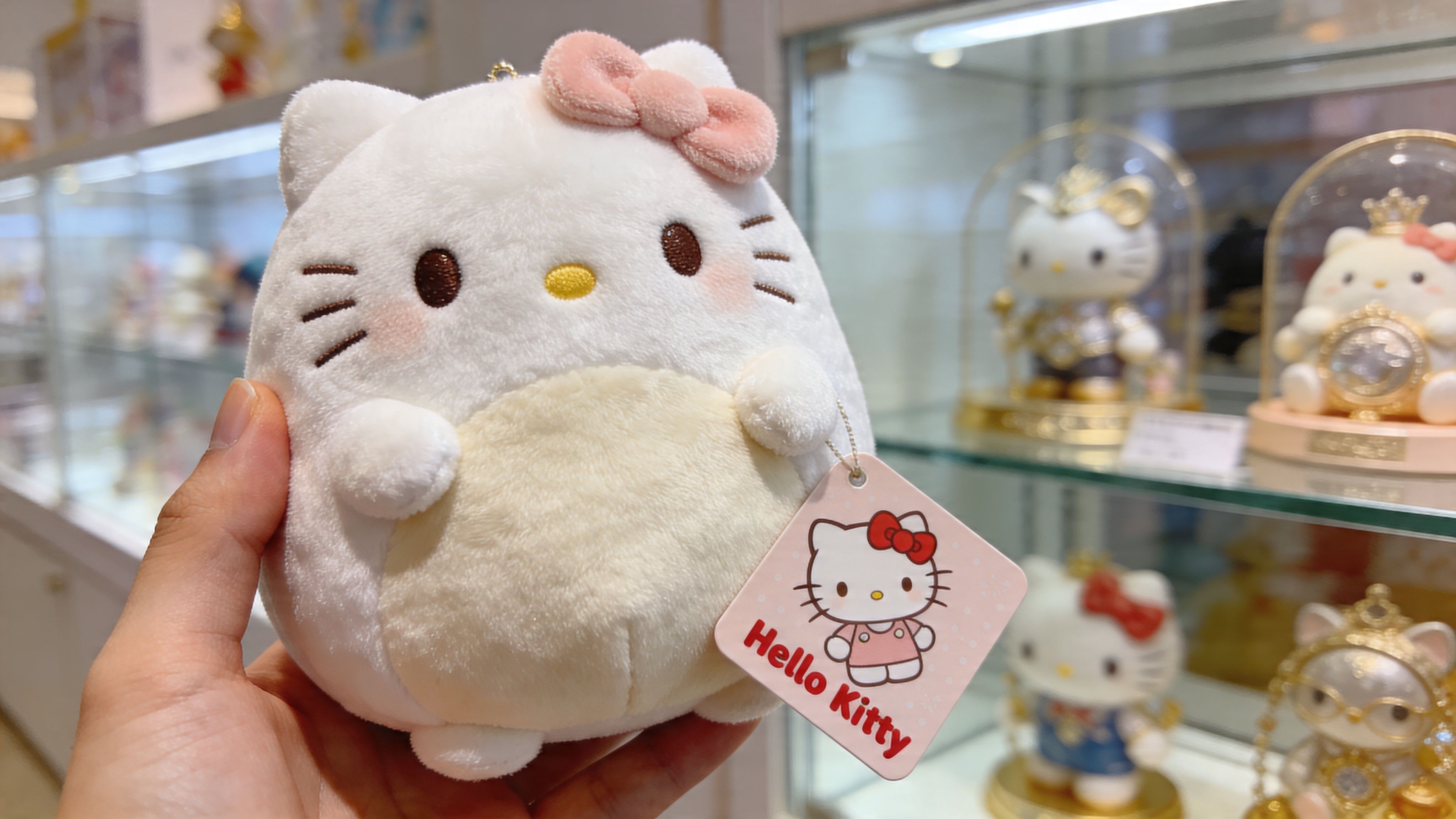
Collectors coming from older decorative arts often look first for age. Plush collecting works a bit differently. Scarcity may come from retailer exclusivity, theme, condition, release timing, or collector demand rather than simple age alone.
Size is one of the most visible value factors. Some collectors prefer small clip versions because they’re easy to display and complete a character run. Others focus on larger plush because they feel more impressive and more comfortable as display pieces.
That means size affects value in two ways at once. It shapes how easy a piece is to store or ship, and it shapes how a collector imagines using or displaying it. A tiny version and a large version of the same character can attract different buyers for different reasons.
A plush sold through a specific retailer can become desirable because not everyone had equal access to it. The same is true of holiday editions or costume variants. A standard Hello Kitty may be pleasant and easy to find. A themed Hello Kitty tied to a season, celebration, or short release window may feel more hunt-worthy.
Watch for these features when assessing rarity:
Collectors sometimes get carried away by the word rare and forget the physical object in front of them. Yet condition remains one of the clearest value filters. A common piece in excellent condition may be more desirable than a harder-to-find one with stains, stretched seams, faded fabric, or missing tags.
Practical rule: rarity attracts interest, but condition closes the decision.
That’s especially true for plush because texture and shape are part of the experience. A compressed, dusty, or misshapen Squishmallow doesn’t deliver the same pleasure, even if the design itself is less common.
A quick visual guide can help if you’re still learning how collectors talk through value signals.
Instead of asking whether a hello kitty squishmallow is “valuable” in the abstract, ask more specific questions:
That method turns a shelf of plush into a field of differences. And that, at heart, is what collecting always involves. Not just owning objects, but learning to see distinctions that others overlook.
A hello kitty squishmallow is soft by design, which means condition can change quickly if it’s handled carelessly. Dust, surface marks, strong sunlight, and rough washing all affect how the plush looks and feels.
For small marks, start gently. Use a soft cloth, mild soap, and cool or lukewarm water. Dab rather than scrub. Aggressive rubbing can roughen the fabric pile and disturb the finish.
If the mark is localised, keep the cleaning localised too. Soaking the whole plush for one small smudge can leave you with a longer drying process and a higher chance of shape distortion.
Sometimes a fuller clean is needed, especially if the plush has been used regularly rather than stored. In that case, protect the item first. Many collectors place plush toys inside a pillowcase or laundry bag, then wash on a gentle cycle with cold water and mild detergent.
Drying matters as much as washing. High heat can alter texture and shape, so air drying or very low heat is the safer approach. During drying, reshape the plush with your hands so it doesn’t settle into awkward flat spots.
A sensible routine looks like this:
For collectors, the paper hangtag deserves separate care. Don’t leave it attached if the toy is going to be washed or handled heavily. Store it in a small protective sleeve or envelope, flat and dry.
Storage also affects longevity. Keep plush away from direct sunlight, smoke, damp conditions, and places where it will be crushed under heavier objects.
Store a collectible plush as you would store any object whose surface matters. Clean hands, stable conditions, and a little foresight go a long way.
Where you buy often matters as much as what you buy. A hello kitty squishmallow from a trusted retail source usually carries less risk than one from an anonymous resale listing with dim photographs and a rushed description.
Official retailers are often the easiest starting point for new collectors. The selection may be narrower, but the confidence level is higher. You’re less likely to face swapped tags, misleading photos, or odd packaging issues.
The secondary market offers broader choice. It’s where collectors often search for older, themed, or harder-to-find versions. But that wider field requires sharper judgement.
When reading a listing, pay attention to the seller’s behaviour as much as the item itself. Counterfeit and scam listings often rely on speed and vagueness. They want a buyer to act before noticing what’s missing.
Proceed carefully if you see any of the following:
A thoughtful buyer can reduce risk with a few direct requests. Ask for front, back, side, tag, and care-label photos. Ask whether the plush comes from a smoke-free home if buying second-hand. Ask whether it has been washed, displayed, or stored.
Those questions do two jobs. They gather practical information, and they reveal whether the seller is transparent. A careful seller usually answers clearly. A doubtful one often avoids specifics.
If a listing makes you feel hurried, uncertain, or slightly embarrassed to ask for details, pause. Good collecting isn’t only about finding the object. It’s about finding it under conditions you can trust.
The pleasure of collecting a hello kitty squishmallow is real. It can be social, light-hearted, nostalgic, and visually delightful. There’s nothing shallow about enjoying a well-loved popular object, especially one that creates community through shared recognition.
At the same time, collecting often deepens. A person may begin by enjoying the charm of a character plush, then realise that what they value most isn’t only the brand. It may be the design language, the story, the sense of curation, or the pleasure of choosing one piece over another with care.
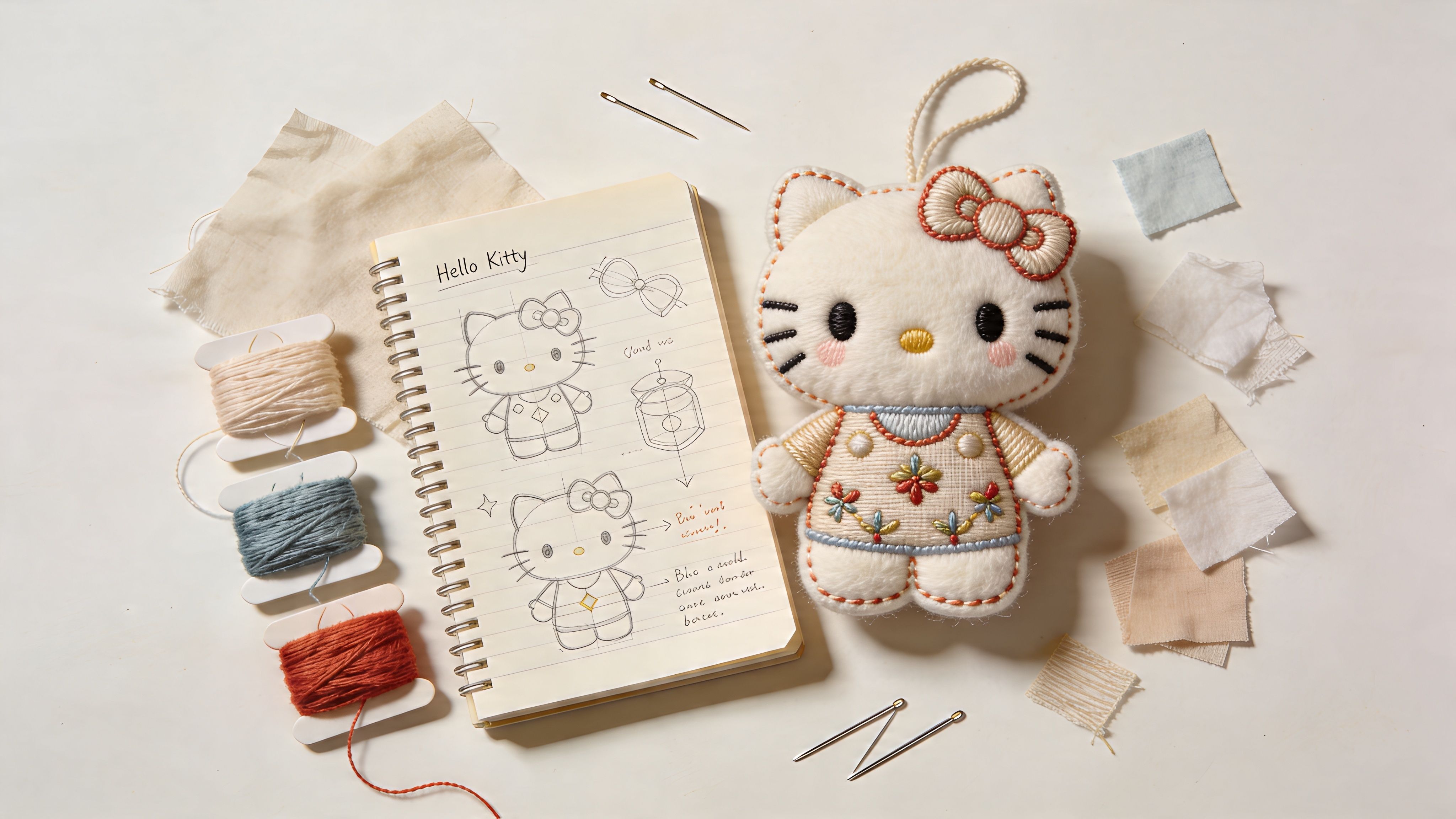
That’s often the moment when handmade objects begin to call more strongly. An artisan-made piece offers a different kind of satisfaction. Instead of sharing the same item with a wide audience, you may be choosing something shaped by a maker’s hand, local tradition, and material history.
For some collectors, the most rewarding path is not either-or. It’s both. A shelf can hold contemporary character plush and also older, crafted objects with regional identity. One speaks to present-day culture. The other carries a slower story.
A few questions can help clarify your own taste:
People who find themselves drawn toward heritage, maker identity, and the quiet individuality of crafted collectables often enjoy learning about collecting Dala horses as a beginner. It’s a different collecting language, but it answers many of the same human desires: beauty, meaning, memory, and the joy of choosing with intention.
A hello kitty squishmallow may be a cheerful modern collectible. It can also be a doorway. Sometimes a playful object teaches us what kind of collector we are becoming.
If your collecting taste is shifting towards pieces with heritage, handwork, and a clear sense of place, Dalaart offers authentic Swedish Dala horses and companion animals made by artisans in Dalarna. It’s a thoughtful next stop for collectors who want objects with story as well as charm.


.svg)


.png)


